
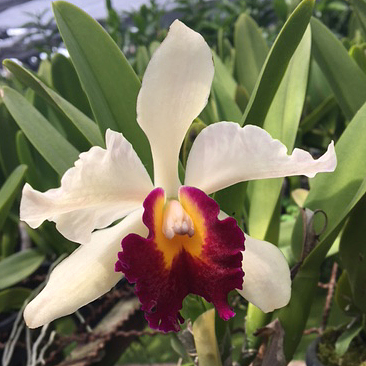
Cattleya (Blooming)
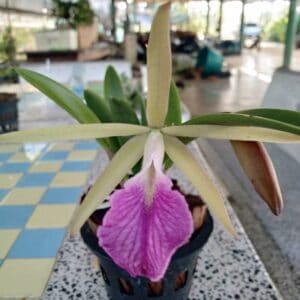
Cattleya (Seedling)
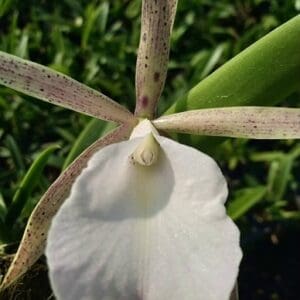
Cattleya (Blooming)
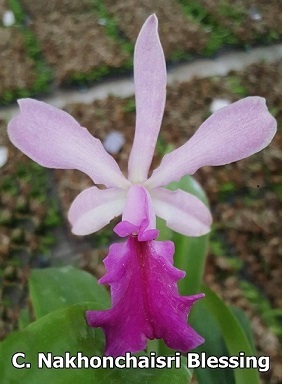
Cattleya (Blooming)

Cattleya (Blooming)
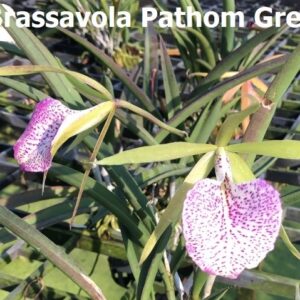
Cattleya (Blooming)

Cattleya (Seedling)
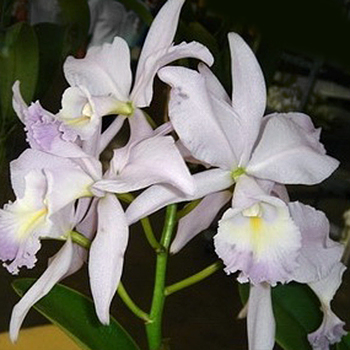
Cattleya (Blooming)
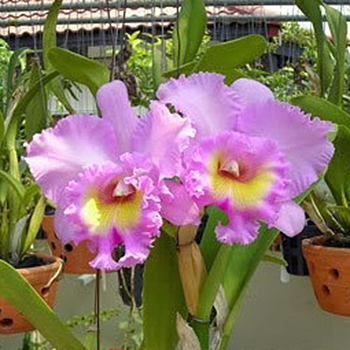
Cattleya (Blooming)
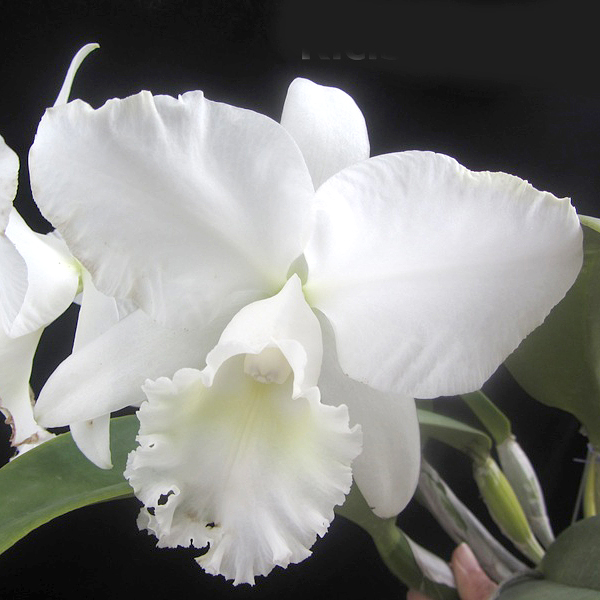
Cattleya (Blooming)
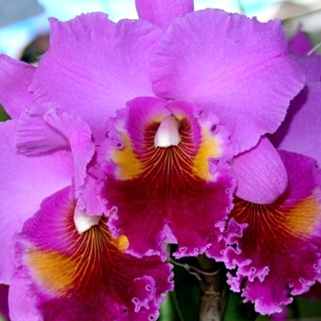
Cattleya (Blooming)
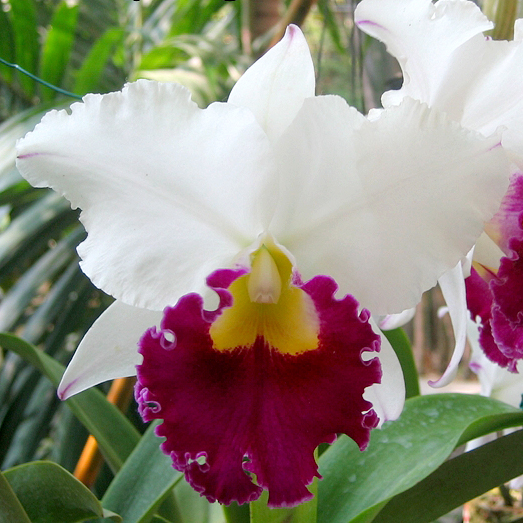
Cattleya (Blooming)

Cattleya (Blooming)
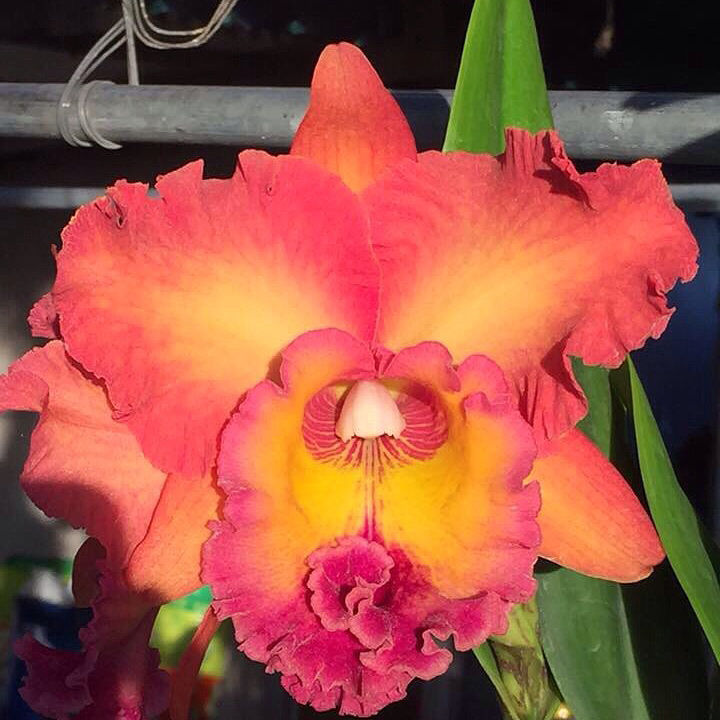
Cattleya (Blooming)
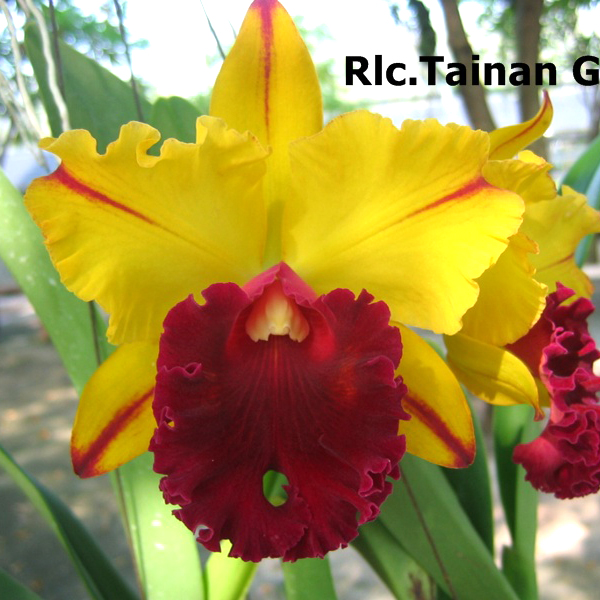
Cattleya (Blooming)
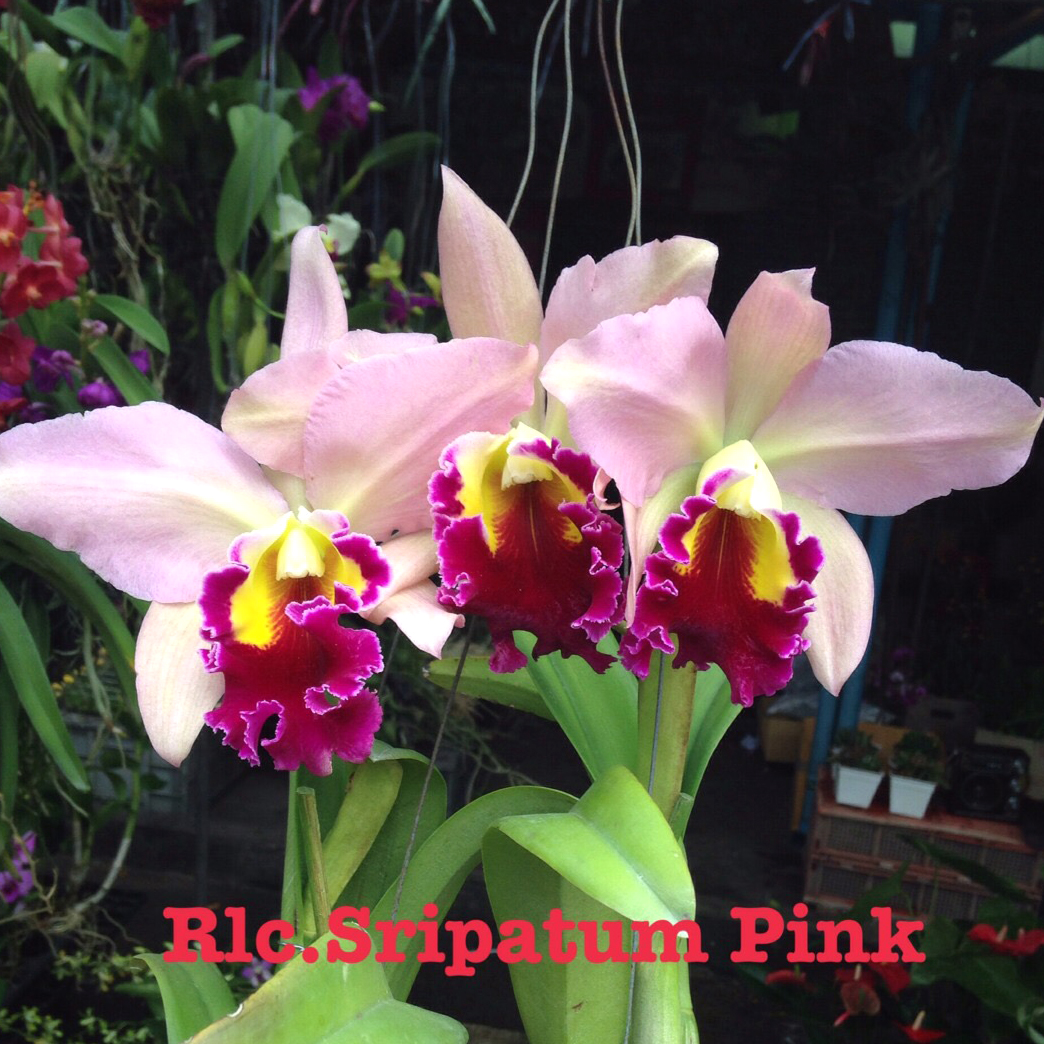
Cattleya (Blooming)
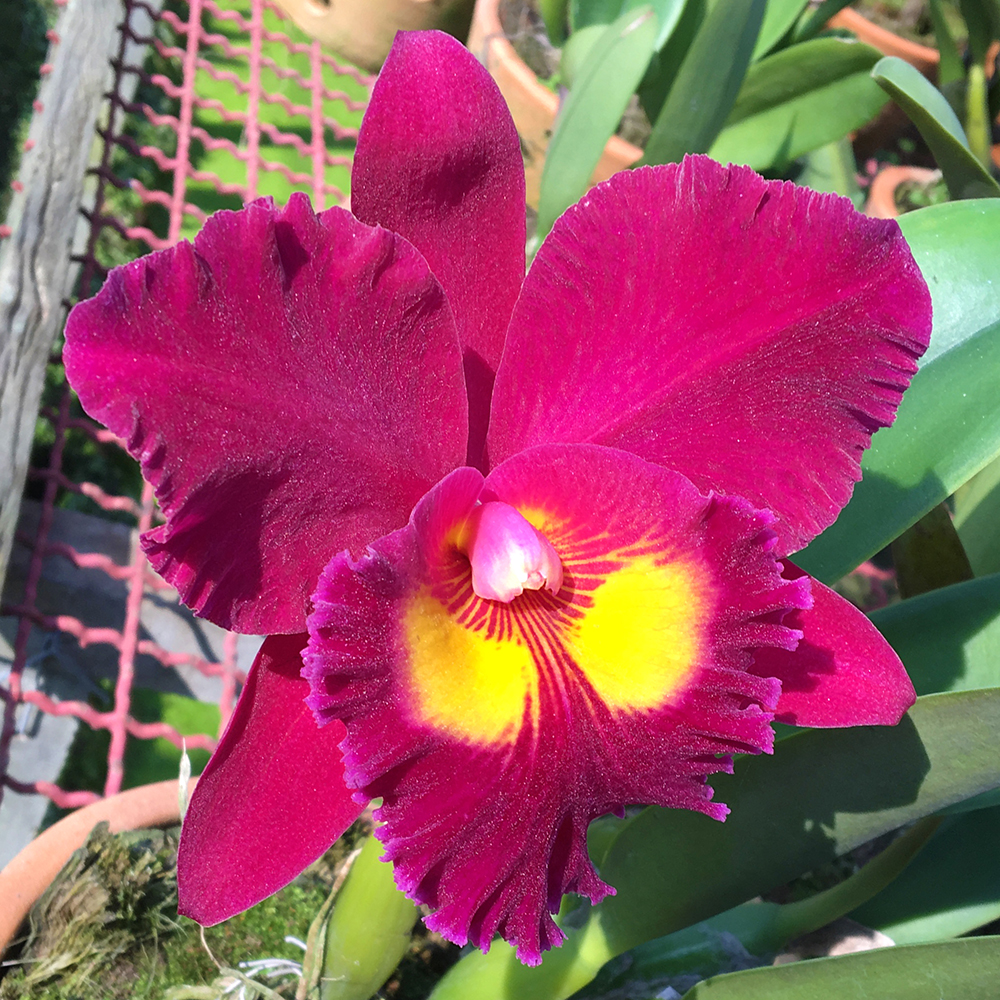
Cattleya (Blooming)
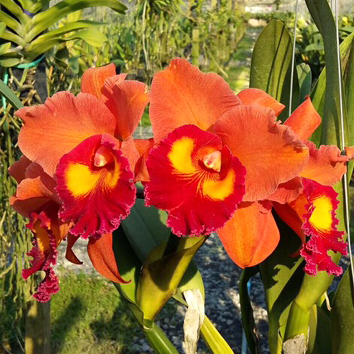
Cattleya (Blooming)
Cattleya (Blooming)
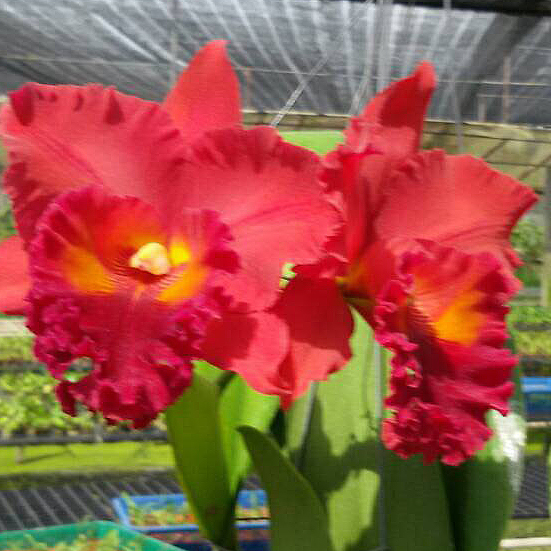
Cattleya (Blooming)
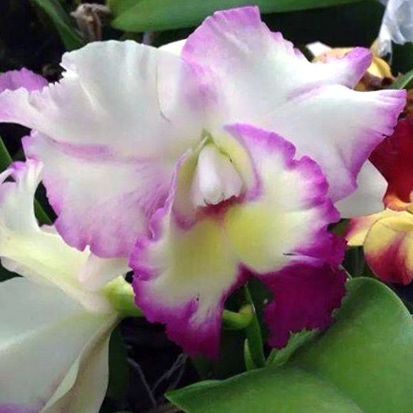
Cattleya (Blooming)
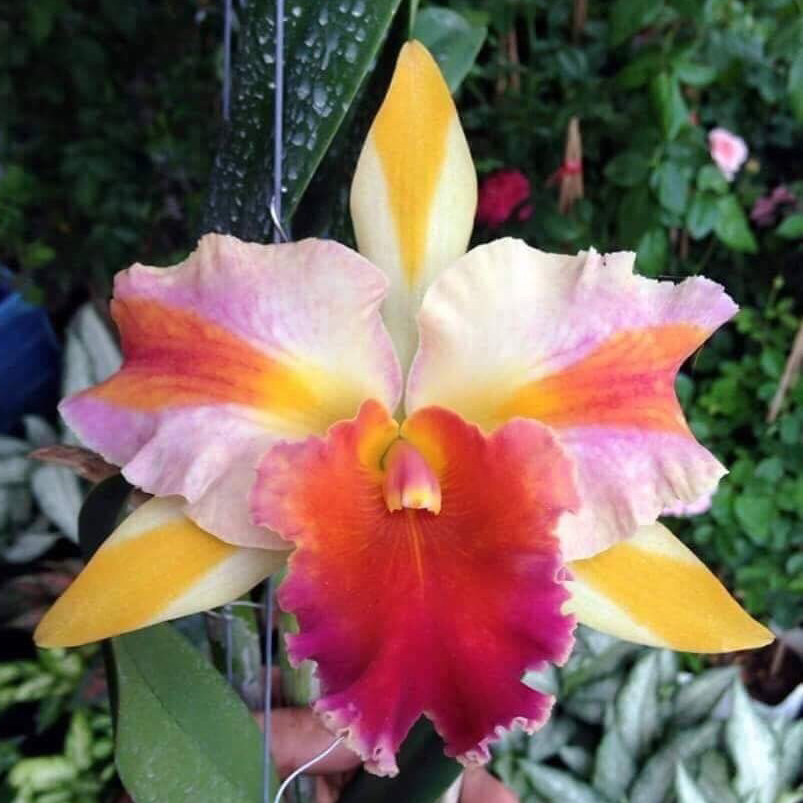
Cattleya (Blooming)
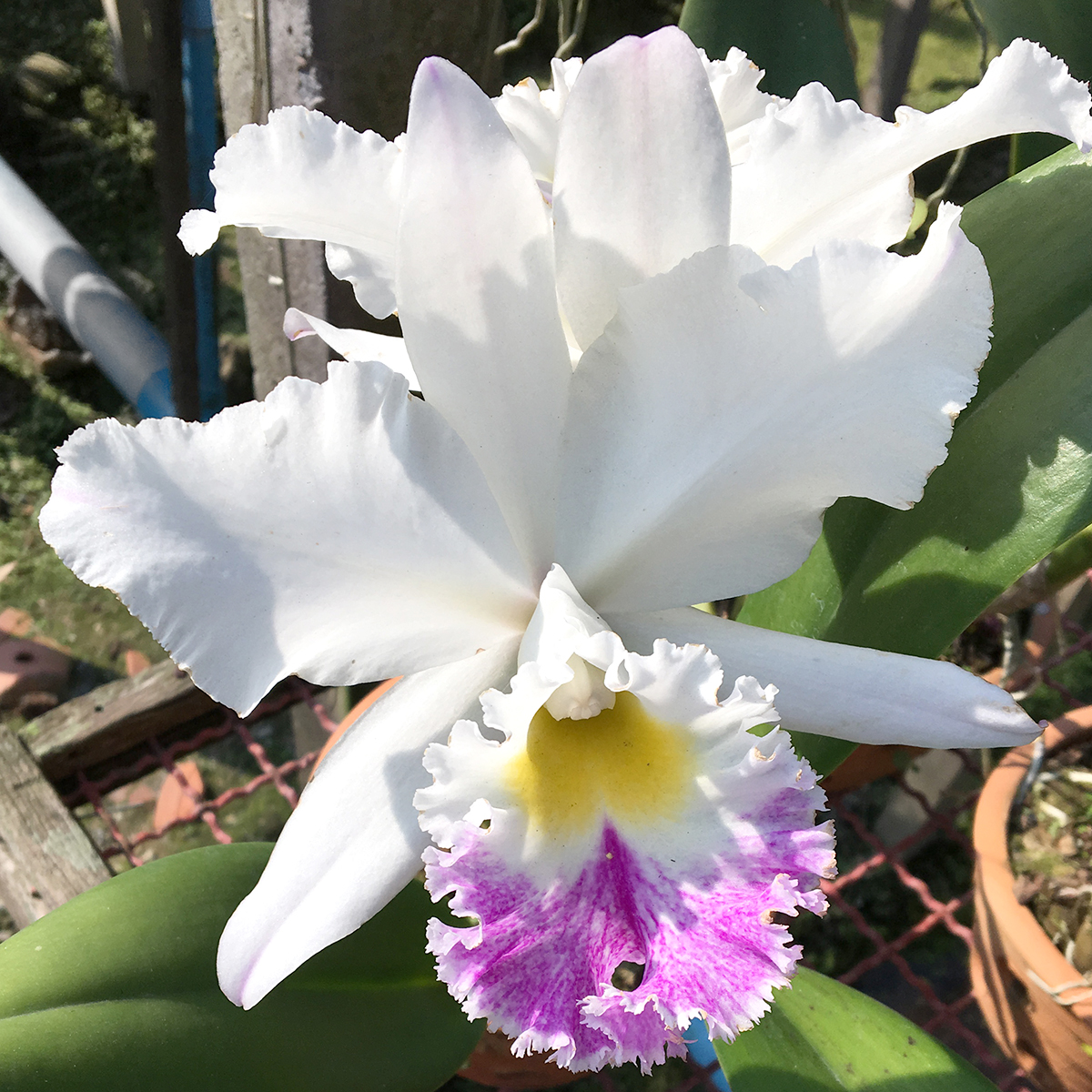
Cattleya (Blooming)
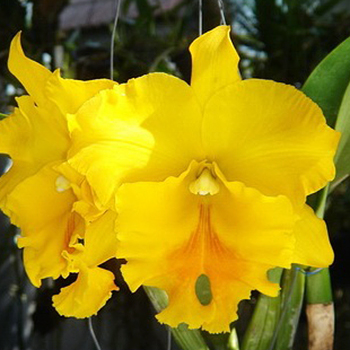
Cattleya (Blooming)
Wholesale Cattleya Orchids From Thailand
BB Orchids is a specialist cattleya orchid Thailand supplier operating under Pramote Orchid Farm (POF) in Nakhon Pathom and Samut Sakhon. We grow and export 50 Cattleya varieties, including blooming plants and seedlings, to nurseries, garden centers, landscapers, and floral businesses worldwide.
BB Orchids Cattleya at a Glance
- Varieties Available: 50 (48 blooming size, 2 seedlings)
- Growth Stages: Seedlings and blooming-size plants
- Key Focus: Unifoliate and bifoliate Cattleya hybrids, including intergeneric crosses (BLC, RLC)
- Lab: On-site tissue culture laboratory (est. 2010)
- Ships To: Asia, Europe, North America, South America, the Middle East, and Australia
Why Buy Cattleya Orchids From BB Orchids
As a dedicated cattleya orchid farm with wholesale capabilities, BB Orchids manages the full production process from tissue culture propagation through to export-ready packing. Here’s what wholesale buyers can expect when sourcing Cattleya orchids from Thailand through us:
Shipping, Packing, and Unboxing
We’ve refined our international shipping methods over decades to ensure your Thailand Cattleya plants arrive in prime condition. Every order is handled with care:
- Bare root preparation: Pots and growing media are removed before export to meet phytosanitary requirements and minimize shipping weight.
- Custom carton packing: Blooming and flowering-size Cattleya plants ship in cartons (60×51×95 cm), fitting around 100 potted plants or 180–200 bare root mature plants per box. Carton sizes are selected to optimize freight costs.
- Phytosanitary compliance: All shipments include the required phytosanitary certificate from the Thai Department of Agriculture, along with export permits and complete customs documentation.
- Unboxing tip: Upon arrival, unpack plants promptly, soak the roots briefly in room-temperature water, and allow them to air-dry before repotting in a coarse bark-based medium. Cattleyas recover well from transit when given good air circulation immediately after unpacking.
Pricing and Minimum Orders
BB Orchids offers FOB pricing, with shipping costs calculated separately based on your destination and carton volume. Minimum order quantities depend on plant type and growth stage. Contact our team at info@bborchids.com for a tailored quote – we typically respond within three working days.
Worldwide Shipping
BB Orchids ships to wholesale buyers across Asia, Europe, North America, South America, the Middle East, and Australia. We coordinate flight bookings, customs documentation, and delivery logistics for every order, working closely with clients to match shipment timing with seasonal demand.See our full ordering process.
What Are Cattleya Orchids?
Cattleya is a genus of approximately 45 species in the orchid family (Orchidaceae), commonly known as the “Queen of Orchids” or the “corsage orchid.” The genus was named in 1824 by botanist John Lindley in honor of British horticulturist William Cattley, who successfully bloomed the first recorded Cattleya labiata specimen brought from Brazil.
Cattleya orchids are prized for their large, showy, and often fragrant flowers. They are epiphytic in nature, growing on tree branches and trunks in the wild rather than in soil. Plants grow from pseudobulbs – thick, fleshy stems that store water and nutrients – and are categorized into two main types: unifoliates (one leaf per pseudobulb, producing fewer but larger flowers) and bifoliates (two or more leaves, producing more numerous but smaller blooms).
Breeding and Hybrid Development
Cattleya orchids are one of the most extensively hybridized orchid genera in the world, with thousands of registered hybrids. At BB Orchids, we cultivate a curated selection of Cattleya hybrids in Thailand, including popular intergeneric crosses such as Brassolaeliocattleya (BLC) and Rhyncholaeliocattleya (RLC). Our on-site tissue culture laboratory (established in 2010) enables us to propagate high-quality mericlones with consistent flower traits. Only varieties that show excellent bloom size, strong color, fragrance, and reliable growth make it into our Cattleya Thailand wholesale catalog.
Size, Color, and Flower Characteristics
Cattleya orchid flowers are among the largest and most striking in the orchid world:
- Flower size: Individual blooms range from 2 to 6 inches across, depending on the hybrid. Unifoliate varieties typically produce 1–4 large flowers per inflorescence, while bifoliates produce more numerous, smaller blooms.
- Color range: Cattleya flowers come in lavender, purple, pink, white, yellow, red, orange, green, and bicolor combinations. The lip (labellum) often features a contrasting color with ruffled edges.
- Fragrance: Many Cattleya varieties produce a noticeable, pleasant fragrance, particularly in daylight — a distinctive trait that sets them apart from most other orchid genera.
- Bloom duration: Individual flowers typically last four to eight weeks, making them excellent for retail and event use.
Origin of Cattleya Orchids
Cattleya orchids are native to the tropical regions of Central and South America, from Costa Rica and Mexico south to Argentina and Paraguay. They grow naturally as epiphytes in humid forests at elevations ranging from sea level to montane cloud forests.
Although Cattleya species originate from the Americas, Thailand has become one of the world’s leading cultivation hubs for Cattleya hybrids. The country’s warm, humid climate, particularly in the central provinces of Nakhon Pathom, Samut Sakhon, and Bangkok, provides ideal growing conditions for these orchids year-round. Thai growers have developed significant expertise in Cattleya hybridization over the past several decades, producing unique crosses that combine the best traits of multiple parent species. For interested parties looking to buy Thailand Cattleya orchids, this means access to a deep pool of hybrid varieties grown by experienced specialists in one of the world’s top orchid-producing regions.
How to Care for Cattleya Orchids
For wholesale buyers receiving and reselling cattleya orchids from Thailand, proper post-transit care keeps plants healthy and maximizes bloom quality for your customers.
Quick Care Reference
- Light: Bright indirect, 2,000–3,000 foot-candles
- Daytime Temp: 70–85°F (21–29°C)
- Nighttime Temp: 55–60°F (13–15°C)
- Water: When the medium is fully dry (roughly once per week)
- Fertilizer: Balanced (20-20-20) at half strength, twice monthly
Light and Temperature
Cattleya orchids need bright, indirect light of approximately 2,000–3,000 foot-candles — an east- or west-facing position works well. Leaves should be a medium green color; dark green leaves typically indicate too little light, which reduces blooming. Daytime temperatures of 70–85°F (21–29°C) and nighttime temperatures of 55–60°F (13–15°C) are ideal. Good air circulation is critical to prevent fungal and bacterial issues.
Watering
Allow the potting medium to dry completely between waterings. Cattleya orchids store water in their pseudobulbs, so they tolerate brief dry periods better than being overwatered. During the growing season, watering once a week is generally sufficient — more frequently in summer heat, less in winter. Always water in the morning with tepid water and ensure the pot drains fully.
Fertilization
Apply a balanced orchid fertilizer (20-20-20) at half strength twice a month during the active growing season, or at quarter strength weekly. Reduce feeding in winter when growth slows. Repot every two to three years using a coarse fir bark-based orchid medium, ideally in spring when new roots begin to emerge.
Get a Quote for Wholesale Cattleya Orchids
We supply wholesale Cattleya orchids from Thailand to buyers across six continents. Tell us what you need, and we’ll send you a quote within three working days.
- Email: info@bborchids.com
- WhatsApp: +66 81 199 9157
- Facebook:facebook.com/bborchids
Frequently Asked Questions
Q: How many Cattleya varieties does BB Orchids offer?
A: BB Orchids currently offers 50 Cattleya varieties, including 48 blooming-size plants and 2 seedling options. Our selection includes popular intergeneric hybrids such as BLC (Brassolaeliocattleya) and RLC (Rhyncholaeliocattleya), along with classic Cattleya crosses.
Q: How are Cattleya orchids shipped internationally?
A: All Cattleya orchid orders from Thailand are shipped bare root via air freight. Each shipment includes a phytosanitary certificate from the Thai Department of Agriculture, export permits, and full customs documentation. BB Orchids coordinates flight bookings and paperwork on behalf of the buyer.
Q: What makes Cattleya orchids different from Dendrobium?
A: Cattleya orchids typically produce larger, more fragrant flowers than Dendrobium, with blooms ranging from 2–6 inches across. They grow from thick pseudobulbs and are categorized as unifoliate or bifoliate. Dendrobium orchids tend to produce more flowers per plant on elongated canes, with a wider variety of growth habits. Both genera thrive in Thailand's climate and are popular wholesale choices.
Q: How long do Cattleya orchid flowers last?
A: Individual Cattleya flowers typically last four to eight weeks. With proper light, temperature, and watering, healthy plants can bloom once or twice per year, with some hybrids producing flowers in multiple seasons.
Q: What is the difference between blooming-size and seedling Cattleya plants?
A: Blooming-size Cattleya plants are mature orchids in 3.5-inch pots that are ready to produce flowers when conditions are right - ideal for retailers and event florists who need display-ready stock. Seedlings are younger plants that require additional growing time before they reach flowering maturity, making them a more cost-effective option for nurseries that finish plants in-house.