
Blog
5 Things You Should Not Do With Orchids: Common Problems To Avoid
Dec
Key Takeaways
- The basic things you should not do with orchids include overwatering and underwatering, as both can damage orchid roots and affect flowering.
- Provide bright, indirect light to support healthy growth and regular blooms.
- Maintain proper humidity and airflow to reduce the risk of pests and diseases.
- Use orchid-specific potting media rather than regular potting soil.
- Repot orchids every 1–2 years to refresh the growing medium and inspect root health.
- Understanding what to do with orchids after flowering can help encourage future blooms, and learning why orchid leaves split can help growers identify environmental or physical stress early.
- Source high-quality orchids and get advice on orchid care, whether for your personal collection or for your business, from BB Orchids in Thailand.
Indoor orchids add a touch of class and exotic beauty to any space. Known for their colorful blooms, these plants can thrive indoors under the right care. However, orchids can also be sensitive and require specific conditions to flourish.
Our blog will discuss what you should not do with an orchid to avoid common problems and keep it thriving when you buy orchids wholesale in Thailand.
Things You Should Not Do With Indoor Orchids
Mistake 1: Overwatering or Underwatering
One of the most common problems in orchid care is overwatering. While regular moisture is important for orchids, they are also very prone to root rot if overwatered and dehydration if underwatered. Striking the right balance can be challenging.
Tips for Proper Watering
- Check the Potting Medium: How often your orchid plant needs water depends on its type and the medium in which it’s already potted. Orchids grown in bark generally need more frequent watering than those growing in sphagnum moss, which retains moisture longer.
- Use the “Soak and Dry” Method: Water orchids thoroughly, allowing water to run through the pot and then letting it drain completely. Avoid letting the plant sit in standing water, as this can cause root rot.
- Pay Attention to the Environment: Factors like humidity, temperature, and pot size can impact how quickly orchids dry out. Warmer temperatures and low humidity will mean more frequent watering, while cooler conditions or a high-humidity environment may require less.
Mistake 2: Insufficient or Excessive Light
Proper lighting is crucial for orchids. Too much direct sunlight can scorch their leaves, while too little light can prevent them from blooming. Most indoor orchids thrive with indirect sunlight, which provides them with the light they need without the risk of sunburn.
Many growers ask us why orchid leaves split. While physical damage is often the cause, sudden environmental stress, excessive heat, low humidity, and intense sunlight can also contribute to weakened leaf tissue.
Tips on Proper Lighting
- Position Near a Window: Place orchids near an east or west-facing window where they can get bright, indirect sunlight. South-facing windows might be too intense, especially in warmer climates.
- Consider Artificial Lighting: If natural light is insufficient, especially in winter, supplement with fluorescent or LED grow lights. These lights should be positioned at a safe distance to provide enough light without overheating the plant.
- Observe Leaf Color: Healthy orchid leaves should be a medium green color. Dark green leaves might indicate low light, while yellowish or scorched leaves can suggest too much sun.
Mistake 3: Neglecting Humidity and Air Circulation
One of the top things you should not do with orchids is underestimate how much humidity they need. Orchids are tropical plants that thrive in high humidity, which can be hard to replicate indoors. Without sufficient moisture, their leaves and roots can become dry and stressed, making them more susceptible to diseases. Additionally, good air circulation is essential to prevent fungal and bacterial infections.
Tips on Maintaining Humidity and Airflow
- Use a Humidity Tray or Mist Regularly: Placing a humidity tray beneath the orchid or misting it lightly each day can help maintain moisture around the plant. Avoid misting the flowers directly, as this can cause spots and accelerate wilting.
- Invest in a Humidifier: A humidifier can help raise overall room humidity, especially during colder months when indoor air tends to be drier.
- Ensure Proper Airflow: Orchids benefit from gentle airflow, which can help prevent mold and fungus. You can set a small fan on low to circulate air around the plant without drying it out.
Mistake 4: Using the Wrong Potting Medium
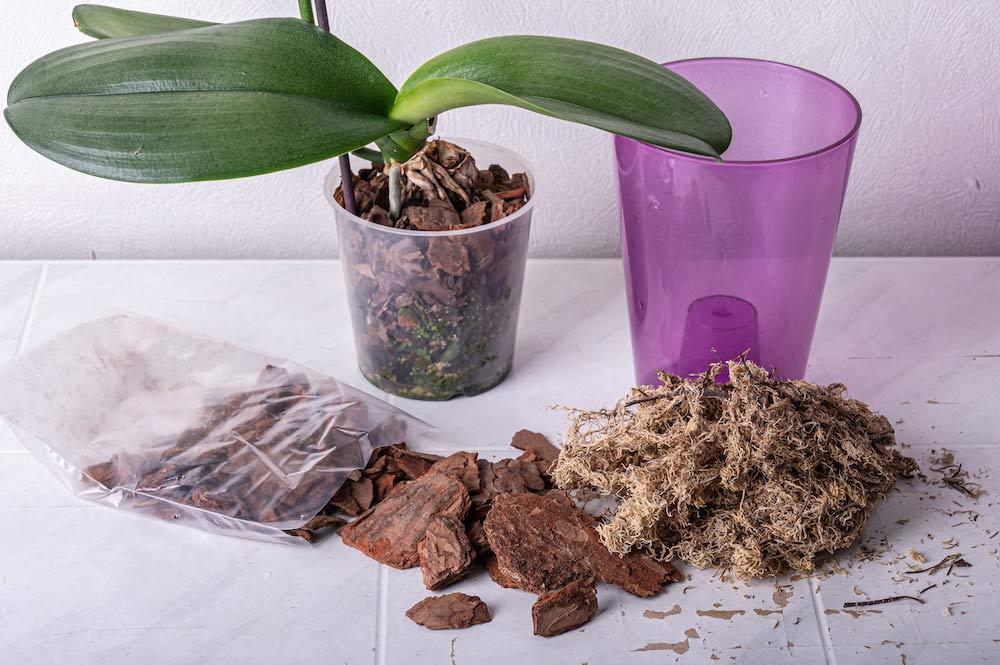
One common problem orchid owners face is using the wrong potting medium. Orchids are epiphytes, which means they naturally grow on trees or rocks rather than in soil. This means you have to be careful about choosing the potting medium, especially for your indoor orchids. Regular potting soil can suffocate orchid roots, which ultimately leads to poor health and a lack of blooms.
Tips on Selecting the Right Potting Medium
- Opt for Orchid-Specific Mixes: These are usually made from materials like bark, charcoal, and sphagnum moss, which provide good drainage and aeration.
- Avoid Dense, Heavy Soils: Regular soil retains too much moisture and restricts airflow, which can harm orchid roots. Orchids require a medium that allows their roots to “breathe.”
- Consider Your Orchid Type: Some orchids, such as Phalaenopsis, prefer bark-based mediums, while others, such as Oncidium, may do well with sphagnum moss. Knowing your orchid’s preferences can make a big difference to its growth.
Mistake 5: Neglecting to Repot
While some houseplants can thrive in the same pot for years, orchids need to be repotted every 1-2 years to maintain healthy roots and prevent nutrient depletion. Repotting refreshes the potting medium, which can break down and lose structure over time, potentially suffocating the roots.
Tips for Repotting
- Choose the Right Time: Orchids are best repotted after they finish blooming or during active root growth. This is also when many growers ask what to do with an orchid after flowering. Once blooms fade, remove spent flower spikes if appropriate for the species, inspect the root system, and consider repotting if the growing medium has begun to deteriorate.
- Be Gentle with the Roots: Remove the orchid carefully, trim any dead or decaying roots, and avoid damaging healthy roots. Place the orchid in a slightly larger pot and fill it with fresh orchid medium.
- Check for Pests and Diseases: Repotting is a good time to inspect your orchid for any signs of pests or disease, which are easier to treat early.
Trust BB Orchids for Premium Orchids
Growing orchids indoors can be a rewarding experience, especially with the right care. However, avoiding these common mistakes is key to keeping your orchids healthy and beautiful year-round.
BB Orchids, a premier orchid nursery in Thailand, offers an extensive selection of high-quality Thai orchids cultivated with meticulous care to meet any commercial needs.
As a trusted nursery, exporter, and supplier, BB Orchids ships worldwide. We offer premium orchid varieties, such as Phalaenopsis, Vanda, and more. for wholesale or custom bulk orders. We promise efficient, easy, and reliable ordering and shipping at competitive prices.
We also offer expert guidance on what to do with orchids after flowering, and explain why orchid leaves split and how to prevent common problems in orchid care. Contact us today to learn more about how BB Orchids can support your business.
Frequently Asked Questions About What You Should Not Do With an Orchid
Q: What things should I not do with an orchid?
A: Some of the most important things to avoid include overwatering, exposing orchids to harsh direct sunlight, planting them in regular potting soil, neglecting humidity requirements, and delaying repotting for too long. Understanding what not to do with an orchid helps prevent many common orchid care problems.
Q: Why do orchid leaves split?
A: There are several reasons why orchid leaves split, including physical damage, low humidity, sudden environmental changes, rapid leaf growth, or accidental handling. Split leaves usually don’t harm the plant’s overall health, but they may indicate that growing conditions need adjustment.
Q: What should I do with an orchid after flowering?
A: Many growers wonder what to do with an orchid after flowering. Once the blooms fade, remove spent flower spikes if appropriate for the orchid species, continue regular watering and fertilization, and inspect the roots and potting medium. Some orchids benefit from a short rest period before producing new flower spikes.
Q: How often should orchids be watered?
A: Watering frequency depends on the orchid type, growing medium, temperature, humidity, and airflow. Most orchids require watering once or twice per week, but growers should always check the condition of the roots and potting medium before watering.
Q: Why is my orchid not blooming?
A: Insufficient light is one of the most common reasons orchids fail to bloom. Other factors include improper fertilization, temperature fluctuations, root problems, or a natural resting period. Reviewing the common things you should not do with orchids can help identify the underlying cause.
Q: How often should orchids be repotted?
A: Most orchids should be repotted every 1–2 years. Repotting helps maintain good drainage, prevents root suffocation, and allows growers to inspect the plant for signs of disease or pest issues.
Q: Can orchids recover from root rot?
A: Yes. If root rot is detected early, remove damaged roots with sterilized tools, replace the old growing medium, and adjust watering practices. Healthy roots can regenerate over time under proper growing conditions.
Q: What is the best potting medium for orchids?
A: Most orchids perform well in orchid-specific mixes containing bark, charcoal, coconut husk, or sphagnum moss. The ideal medium depends on the orchid variety and local growing conditions.