
Blog
Are Orchids Toxic to Cats? A Grower’s Insight
Jan
Key Takeaways
• Most common orchid genera, including Phalaenopsis, are non-toxic to cats according to the ASPCA, which answers the core question of are orchids toxic to cats for most households and businesses.
• Non-toxic doesn’t mean risk-free. Chewing on leaves or stems can still cause mild vomiting, drooling, or loose stools.
• The bigger risk often comes from fertilizers, pesticides, and dyes used on orchids rather than the plant itself, so keep treated plants out of reach.
• BB Orchids supplies pet-safe genera including Dendrobium orchids Thailand, giving florists and decorators non-toxic options for pet-friendly spaces.
Florists, decorators, and businesses that stock houseplants hear this question often from pet-owning customers: are orchids toxic to cats? The short answer is reassuring. Most common orchid genera are non-toxic, which makes them a safe recommendation for pet-friendly homes, offices, and hospitality spaces. That said, “non-toxic” doesn’t mean “risk-free,” and knowing the difference helps your business give customers accurate, useful advice rather than a blanket yes or no.
Are Orchids Poisonous to Cats?
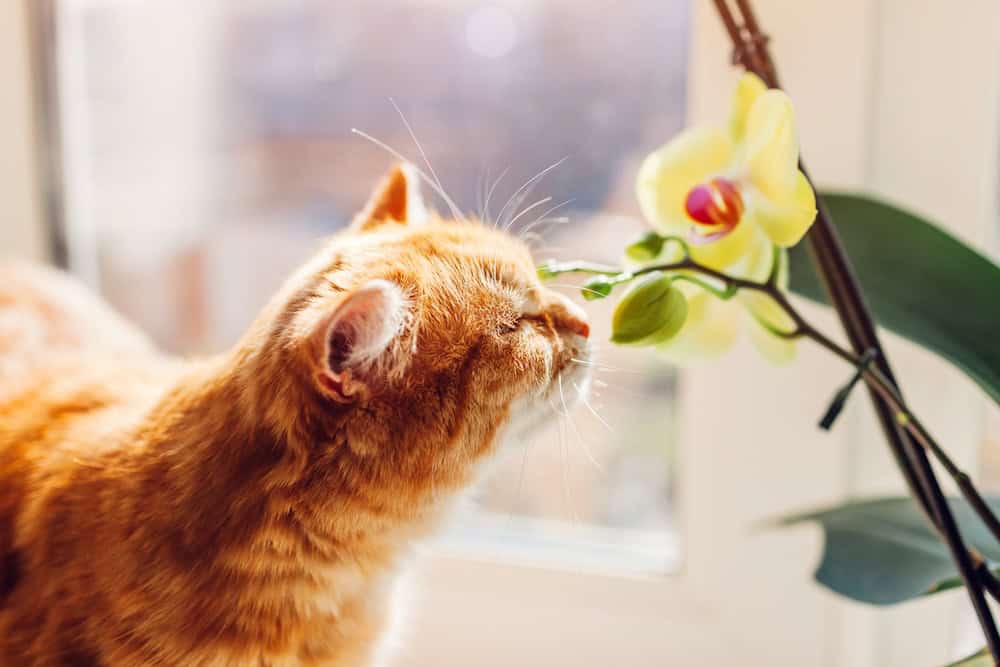
“Toxic” and “poisonous” both point to the same underlying question here: could an orchid cause serious harm if a cat chews on it? For the orchid genera most commonly sold commercially, the answer from veterinary and plant-safety authorities is no. The ASPCA lists the Phalaenopsis orchid, also called the moth orchid, as non-toxic to cats and dogs. That means are orchids poisonous to cats has a straightforward answer for the varieties most businesses stock: they aren’t classified as poisonous, though individual cats can still react to any plant material with mild irritation.
Which Orchid Types Are Safe For Cats?
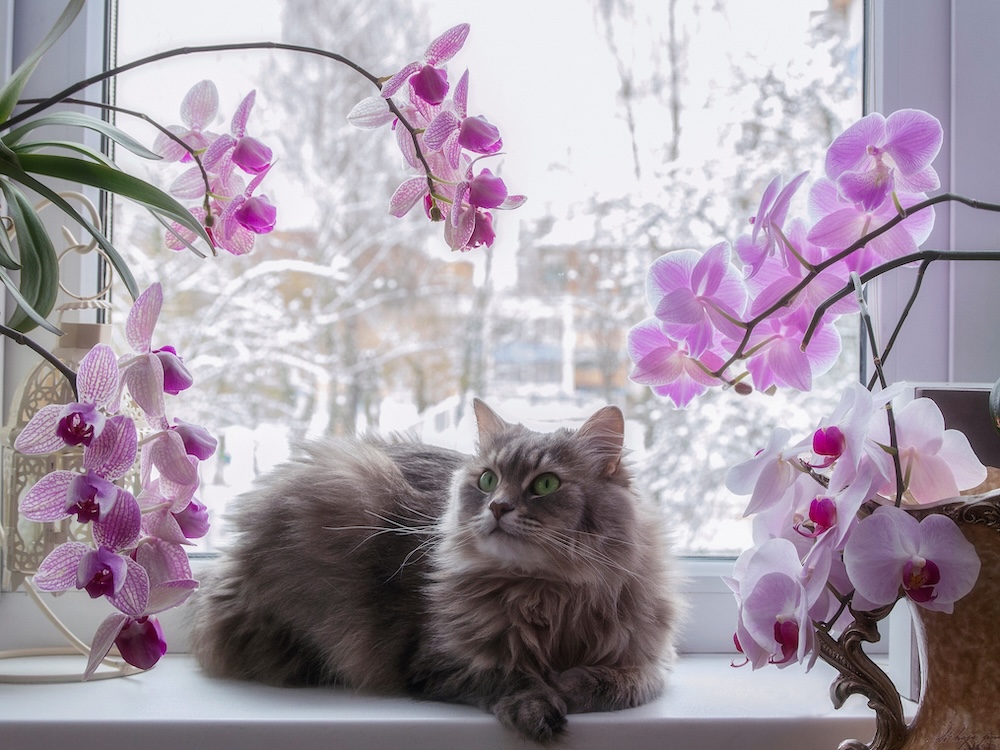
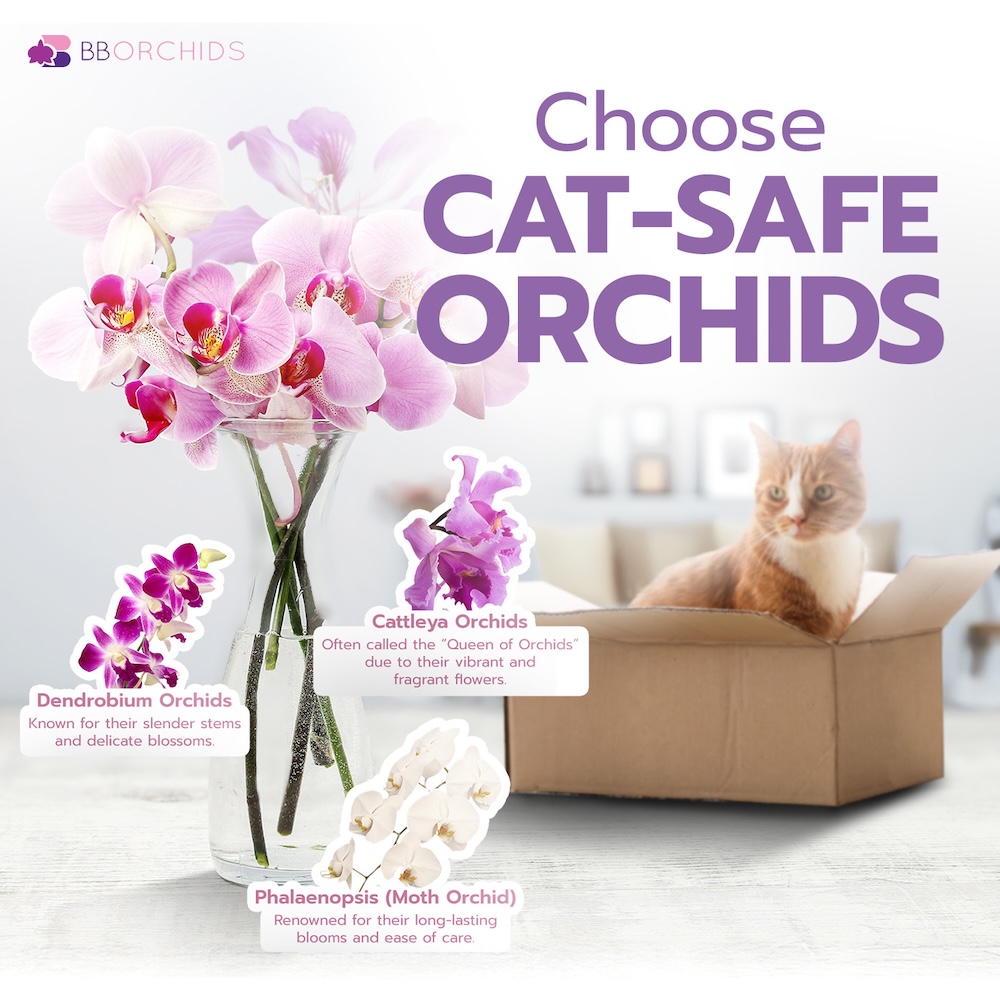
Beyond Phalaenopsis, several other commercially popular genera are generally considered pet-safe, including Dendrobium, Cattleya, Cymbidium, and Oncidium orchids. These varieties suit homes and businesses with cats without the toxicity concerns tied to plants like lilies, which can cause severe kidney damage in cats even from small amounts of pollen. That distinction matters when a customer asks specifically about orchids versus other popular flowering houseplants.
Individual cats can still react differently to the same plant. A cat with a sensitive stomach might show mild symptoms from a genus that causes no reaction at all in another cat. Recommending a pet-safe genus is a strong starting point for customers, not a guarantee that a specific animal won’t have any reaction.
Dendrobium Orchids: Safe For Cat Owners
Dendrobium orchids are among the most widely grown genera for commercial florists and decorators, and they’re generally considered non-toxic to cats and dogs alongside Phalaenopsis. For businesses sourcing wholesale stock, our Dendrobium orchids Thailand collection gives you a pet-safe variety with the slender stems and long-lasting blooms Dendrobiums are known for, grown at our farms in Nakhon Pathom and Samut Sakhon.
Can My Cat Get Sick From Eating Orchids?
A cat can still get mildly sick from chewing on a non-toxic orchid. Plant fiber irritates the digestive tract in some cats, leading to symptoms like vomiting, drooling, or loose stools. These reactions are usually mild and pass within a day. If symptoms last more than 24 to 48 hours, or your cat seems lethargic or stops eating, contact a veterinarian rather than waiting it out.
There’s also a practical, non-medical risk worth mentioning to customers: a curious cat can knock over a pot or tear at leaves and aerial roots simply while playing. That won’t harm the cat, but it can set a plant back, especially a newly potted or recently imported one still settling into a growing environment. Stable, weighted pots and secure placement protect the plant as much as they protect the cat from a mid-air tumble.
Hidden Risks: Fertilizers, Pesticides, And Dyed Orchids
The orchid itself is often the smaller concern. Fertilizers, systemic pesticides, and the dyes used to create novelty colors like blue orchids can carry more risk than the plant tissue. Cats grooming dye or chemical residue off their fur or paws face a higher chance of irritation or vomiting than from chewing an untreated leaf. Keep treated plants, and any bottles of plant food or pesticide, out of reach, and check product labels for pet-safety warnings before applying anything to a plant that will sit in a home with cats.
How To Keep Cats Safe Around Orchids
A few practical precautions keep both the cat and the plant intact:
- Keep orchids out of reach. High shelves or hanging planters limit access for a curious cat.
- Use cat deterrents where needed. Citrus peels or pet-safe deterrent sprays discourage cats from approaching a plant.
- Offer a cat-friendly alternative. Cat grass or catnip nearby often redirects chewing behavior away from orchids.
- Water carefully. Orchids generally do best drying out slightly between waterings, and a healthier plant holds up better to occasional cat disturbance.
- Set up separate zones. Dedicating a windowsill or hanging planter for orchids, with a separate cozy spot for the cat to lounge, keeps both happy without constant supervision.
Choose BB Orchids for High-Quality Orchids
When sourcing wholesale orchids from Thailand for your business, it’s crucial to partner with a trusted supplier who understands the balance between beauty and pet safety.
At BB Orchids, we offer a wide variety of pet-safe orchids, including Phalaenopsis, Dendrobium, and Cattleya, making it easy for you to cater to customers who want to enhance their spaces without worrying about their pets.
With decades of experience, we are a leading B2B supplier and exporter of premium orchids worldwide. We are committed to delivering exceptional quality so that our orchids remain healthy and vibrant throughout the shipping process – perfect for florists, decorators, and hospitality businesses looking for reliable orchid solutions.
We pride ourselves on serving clients worldwide, providing top-tier orchids to businesses in various industries. Whether you’re a boutique florist in Europe or a hotel in the Middle East, our efficient global distribution network ensures your orchid needs are met with precision and care.
Partner with BB Orchids for Cat-Safe Orchid Solutions
Incorporating orchids into homes, offices, or event spaces doesn’t have to be a challenge for pet lovers. By partnering with BB Orchids, you’ll have access to an extensive range of beautiful, non-toxic orchids that are both pet-friendly and premium in quality.
Ready to grow your orchid selection? Contact us today to learn how we can support your business.
Frequently Asked Questions About Orchid Toxicity in Cats
Q: Are orchids toxic to cats?
A: Most commonly sold orchid genera, including Phalaenopsis, are non-toxic to cats according to the ASPCA. Chewing on leaves or stems can still cause mild digestive upset, so it’s worth discouraging even with non-toxic varieties.
Q: Are orchids poisonous to cats if they eat the flowers or leaves?
A: No, common orchid varieties aren’t classified as poisonous. Eating flowers or leaves may cause mild vomiting, drooling, or loose stools in some cats. Contact a veterinarian if symptoms last more than 24 to 48 hours.
Q: Which orchid varieties are safest for homes with cats?
A: Phalaenopsis, Dendrobium, Cattleya, Cymbidium, and Oncidium are generally considered pet-safe genera and are widely available through commercial suppliers.
Q: What should I do if my cat chews on my orchid?
A: Watch for symptoms like vomiting, drooling, or loose stools, and move the plant out of reach to prevent repeat chewing. If symptoms persist beyond 24 to 48 hours, or your cat seems unusually lethargic, call a veterinarian.
Q: Can fertilizers or pesticides on orchids harm my cat?
A: Yes. Fertilizers and pesticides applied to orchids can be more harmful than the plant itself. Use pet-safe products where possible and keep any treated plant out of reach until residue has fully dried or been rinsed away.
Q: Are blue or dyed orchids more dangerous for cats?
A: Dyes used to color orchids can increase the risk of skin or digestive irritation if a cat grooms residue off its fur or paws. It’s safer to keep dyed orchids out of reach of pets rather than assume the dye is inert.