
Blog
Orchid Care Guide: How Much Direct Sunlight Do Orchids Need to Thrive?

Jun
Key Takeaways
- Most orchids require around six hours of light daily; however, different orchid species have different requirements.
- Too little light can reduce flowering and weaken plant growth.
- Too much direct sunlight can scorch leaves and flowers.
- Understanding an orchid’s direct sunlight requirements helps growers select the best location for their plants.
- BB Orchids offers expert guidance on selecting and caring for a wide range of Thai orchids.
Orchids are one of the world’s most diverse flowering plants. For beginners wondering how much sun an orchid should get, many orchids prefer 6 hours of bright, indirect light. However, the specific intensity and duration are species-dependent.
Before discussing how much sun an orchid should get, it’s important to understand why light is so critical. They need blue light wavelengths to grow and red light wavelengths to produce flowers. Light quality influences leaf growth, root development, flower spike production, bloom quality, and overall plant health.
Three Classes of Orchids Based on Light Requirements
Orchids are divided into three groups based on the amount of light they need to thrive. Direct sunlight intensity is typically measured in foot-candles. This measurement is also used to classify orchids according to their direct sunlight requirements.
Full-Sun Orchids (Approximately 3,000 Foot-Candles)
Full-sun orchids require the most amount of light, with 3,000 foot-candles of direct sunlight. These include the hardy varieties of Cattleya, Cymbidium, Dendrobium, and Vanda orchids. However, care must be taken to ensure these direct-light orchids don’t get sunburnt. Keeping a mesh screen between the sun and your full-sun orchids is generally a good idea.
Medium-Light Orchids (Approximately 2,000 Foot-Candles)
Orchids such as Oncidium orchids do well in 2,000 foot-candles of indirect medium light, which provides them with enough light without burning their leaves and flowers. If these orchids are kept indoors, you may need to place them near an east- or south-facing window to catch the morning light. Indoor plants that show signs of receiving too little light can also be supplemented with indoor grow lights, particularly during the winter months.
Low-Light Orchids (1,000–1,500 Foot-Candles)
Other orchids are classified as low-light orchids and thrive in dappled light between 1,000 and 1,500 foot-candles. These include Miltonia or Pansy orchids, Moth orchids, and Lady Slipper orchids, which do well beneath a canopy of other plants or trees.
Signs of Too Little Light
Orchids that aren’t receiving enough sun develop noticeable signs, including:
- The plant looks stretched out and gangly
- It produces fewer flowers or no blooms
- The leaves become thinner, duller, and more elongated
- There are many pale or yellow leaves on a single plant
Signs of Too Much Sun
It’s easy to spot when your orchids are getting leaf-burned from too much sun. They’ll have brown tips and burned or scorched spots on their foliage and flowers. They may also develop white spots surrounded by dark rings, flower discoloration, or dry or crispy foliage. Orchids may simply need a screen over them for a few days until the signs disappear, and then reduce the amount of direct sunlight they receive daily.
Tips for Managing Orchid Light Conditions
Maintaining proper light levels doesn’t have to be complicated.
Use Sheer Curtains – Sheer curtains can soften strong sunlight while still providing adequate brightness.
Monitor Leaf Color – Healthy orchid leaves are typically medium green. Dark green often indicates insufficient light, while yellow-green may indicate excessive exposure.
Rotate Plants Occasionally – You shouldn’t rely on moving your orchids to compensate for too little or too much sun. Moving plants excessively can stress them. However, moving them once or twice a year to account for seasonal changes and the sun’s angle is acceptable.
Consider Supplemental Lighting – Indoor growers can successfully cultivate orchids using LED grow lights during winter or in spaces with limited natural sunlight.
A Global Leader in High-Quality Orchid Supply
BB Orchids is an orchid nursery in Thailand and a world leader in the supply of high-quality, beautiful orchids. We provide a wide variety of tropical orchids to florists, gardening centers, and event planners worldwide from our Thailand gardens and distribution center. We offer:
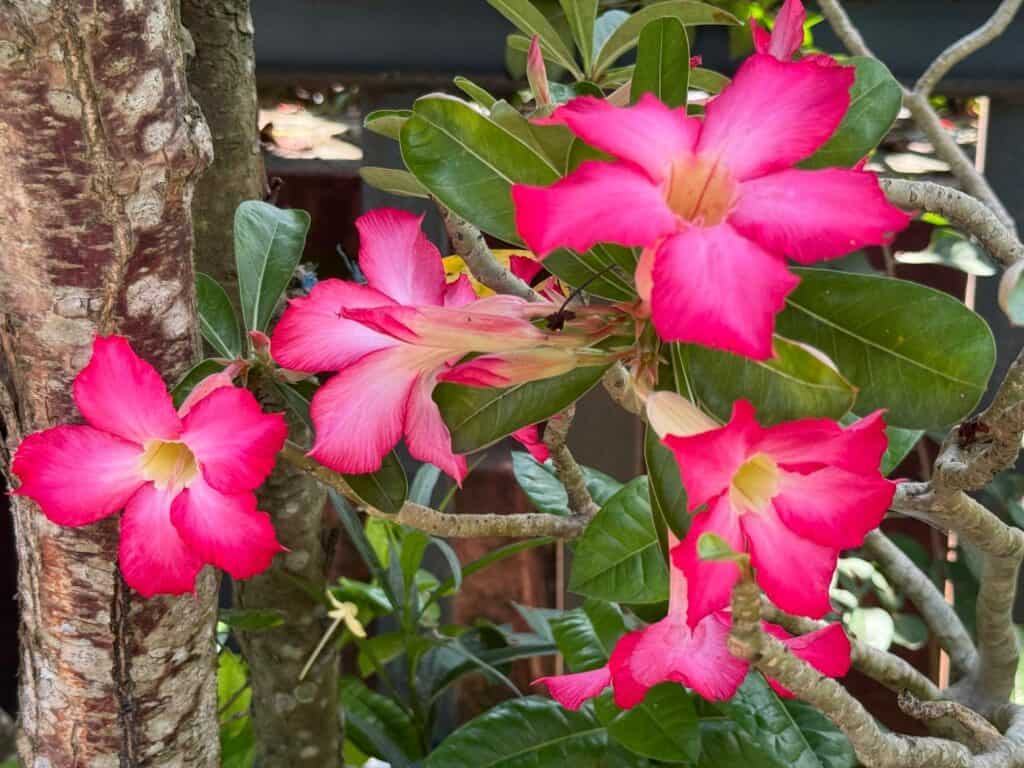
- 64 varieties of Adenium orchids
- 50 varieties of Cattleya orchids
- 44 varieties of Oncidium orchids
- 43 varieties of Phalaenopsis orchids
- 13 varieties of Bulbophyllum orchids
- 343 varieties of Thai Dendrobium orchids
- 11 varieties of Epidendrum orchids
- 25 varieties of Thai orchid flasks
- 68 varieties of Thai Vanda orchids
- 44 varieties of Mokara orchids
- 1 variety of Encyclia orchid
Browse through our wide variety of exotic orchids. Our orchids are cultivated with expert care to ensure they arrive at your location healthy and vibrant. We can help you choose the best orchid varieties for your climate. We can also provide helpful tips for caring for different orchid hybrids and advise you on how much sun each orchid type needs.
Whether you manage or own a small flower shop or a major gardening supply business, every business can benefit from the addition of these colorful, graceful, and beautiful tropical orchids. Choose BB Orchids as your Cattleya orchid supplier in Thailand and explore other varieties of orchids we offer.
Frequently Asked Questions About Orchid Sunlight Requirements
Q: Do orchids need sunlight?
A: Yes. Orchids need sunlight to support photosynthesis, growth, and flowering. Most species perform best with bright, indirect light.
Q: How much sun does an orchid need each day?
A: Most orchids benefit from approximately six hours of light daily, although the required intensity varies by species.
Q: How much sun should an orchid get indoors?
A: Indoor orchids typically perform best near east-facing or bright filtered windows. Grow lights can supplement natural light when necessary.
Q: What are the orchid light requirements for direct sun exposure?
A: When discussing direct sunlight requirements, it’s important to understand that few orchids tolerate prolonged, intense afternoon sun. Most benefit from filtered or indirect sunlight.
Q: How can I tell if my orchid is getting too much sun?
A: Signs include brown leaf tips, white or yellow patches, scorched leaves, and flower damage.
Q: Why isn’t my orchid blooming?
A: Insufficient light is one of the most common causes of poor flowering. Review your orchid’s light conditions and ensure it receives appropriate brightness for its species.
Q: Which orchids tolerate the most sunlight?
A: Vanda, Dendrobium, Cymbidium, and many Cattleya orchids generally tolerate higher light levels than Phalaenopsis and Paphiopedilum orchids.