
Blog
What Causes Orchid Leaves to Wrinkle and How to Spot Potential Issues

Mar
Key Takeaways
• Wrinkled orchid leaves usually trace back to one of three causes: dehydration, root rot, or low humidity, and each one calls for a different fix.
• Checking the potting medium and root condition first tells you which cause you’re dealing with, rather than guessing at a solution.
• Most orchids do best in a 50 to 60% humidity range, though why orchid leaves are wrinkled can vary somewhat by species and growing environment.
• For growers rethinking their stock after repeated leaf problems, BB Orchids’ Thai orchids collection starts with strong roots and leaves from the earliest growth stages.
Wrinkled orchid leaves usually point to one of three causes: dehydration, root problems, or low humidity, and figuring out which one you’re dealing with is the first step to fixing it. For growers managing orchids at scale, whether that’s a home collection or a full nursery of imported stock, catching the early signs matters more than treating advanced damage.
This guide covers what causes orchid leaves to wrinkle, breaks down why orchid leaves are wrinkled by cause, and walks through how to fix wrinkled orchid leaves once you know what you’re working with.
Understanding Your Orchid’s Health
Think of your orchid’s leaves as its own health monitoring system. Just like how we might look tired when we’re in the early stages of getting sick, orchids show early signs of distress via their leaves, long before serious problems develop. The trick to knowing what’s wrong is learning the differences between the different symptoms, so to speak.
Usually, the causes of wrinkled orchid leaves stem from two main factors: water management and environmental effects like changes in temperature or humidity. By understanding the relationships between your orchids and these elements, you can often spot and fix issues before they become serious problems.
Of course, buying your orchid from a reputable nursery helps mitigate a lot of issues new growers might face. Plants grown at a trusted nursery are sold healthy and strong, and you can additionally consult with the florists there on what potential problems to look out for during growth, if there are any.
What Causes Orchid Leaves to Wrinkle and How to Fix Them
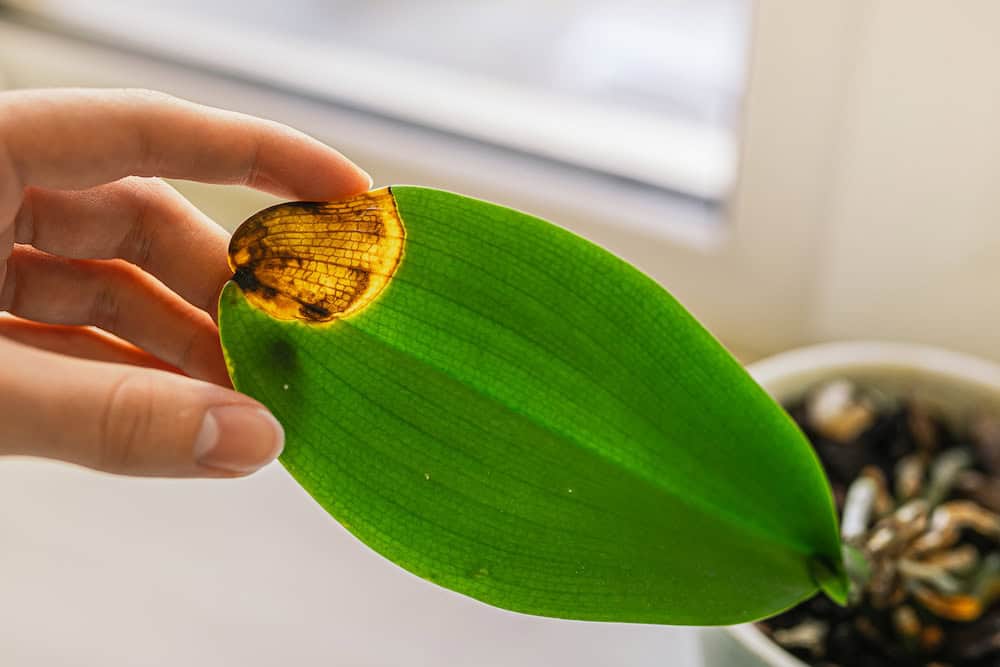
Wrinkled, leathery, or discolored leaves almost always trace back to one of a handful of causes. Here’s a quick way to narrow it down before working through each one in detail.
Quick Checklist: Why Orchid Leaves Are Wrinkled
- Dry potting medium and recently wrinkled leaves: likely dehydration.
- Wet medium but leaves still wrinkled: likely root rot.
- Consistent watering but leaves still wrinkled: likely low humidity.
- Recent move or temperature swing: likely environmental stress.
- Visible pests or sticky residue: likely a pest issue.
| Cause | Typical Signs | Why Leaves Wrinkle | Fix | Prevention |
| Dehydration | Dry potting medium, recently wrinkled leaves | Roots can’t draw enough water to keep leaf tissue firm | Soak 15 to 20 minutes, then drain fully | Check medium moisture before it fully dries out |
| Root rot / overwatering | Wet medium, wrinkled leaves, mushy or brown roots | Damaged roots can’t absorb water even when it’s available | Remove, air out, trim rotten roots, repot fresh | Let medium approach dryness between waterings |
| Low humidity | Consistent watering, leaves still wrinkled | Leaf tissue loses moisture to dry air faster than roots replace it | Humidity tray or humidifier near the plant | Maintain 50 to 60% humidity where possible |
Dehydration and Underwatering
If the potting medium feels dry and the leaves have wrinkled up recently, dehydration is the most likely cause. Soak the pot in room-temperature water for 15 to 20 minutes, then let it drain completely. Leaves typically plump back up within a few days once the roots rehydrate.
Root Problems and Overwatering
Wrinkled leaves on a plant with a consistently wet potting medium point to a different problem: root rot preventing water absorption. Remove the plant from its pot, let the roots air out for a few minutes, and repot with fresh medium. Trim away any roots that are brown, mushy, or hollow before repotting.
Humidity Issues in Home and Nursery Environments
Orchids grown in Thailand’s natural humidity settle into conditions that most home and indoor growing spaces can’t fully replicate. If humidity drops too far below what the plant is used to, leaves can wrinkle even with correct watering. A humidity tray under the pot or a small humidifier nearby usually corrects this within a week or two.
Related Leaf and Bud Problems to Watch For
Wrinkling isn’t the only sign an orchid needs attention. A few related issues are worth knowing, even though each one calls for a different fix.
Yellowing Leaves
Older leaves naturally yellow and drop over time, but sudden yellowing across multiple leaves usually points to overwatering or a nutrient deficiency. During active growth, a balanced 20-20-20 fertilizer at quarter strength every other watering typically resolves nutrient-related yellowing. For a closer look at leaf and stem symptoms beyond wrinkling, see our guide to signs of orchid disease.
Bud Drop
Buds dropping before they open is usually a response to environmental stress rather than anything wrong with the plant itself. Sudden temperature or light changes are the most common triggers, particularly if the plant is moved while buds are developing. Keeping the growing environment stable through the budding period is the most reliable prevention.
Pests and Diseases
Even the healthiest orchids with optimal care can occasionally attract pests like aphids, spider mites, or mealybugs. With these critters, regular inspection is your best defense. We recommend checking your plants weekly during watering. If you’ve spotted some unwanted visitors, a quick blast of insecticidal soap or neem oil usually does the trick.
Sneaky diseases like fungal or bacterial issues might manifest as spots or discoloration on your orchid’s leaves. In these cases, removing the infected leaves and improving air circulation is crucial. Try adding a small fan to your growing area, and always water in the morning so leaves can dry before night.
Preventing Problems Before They Start
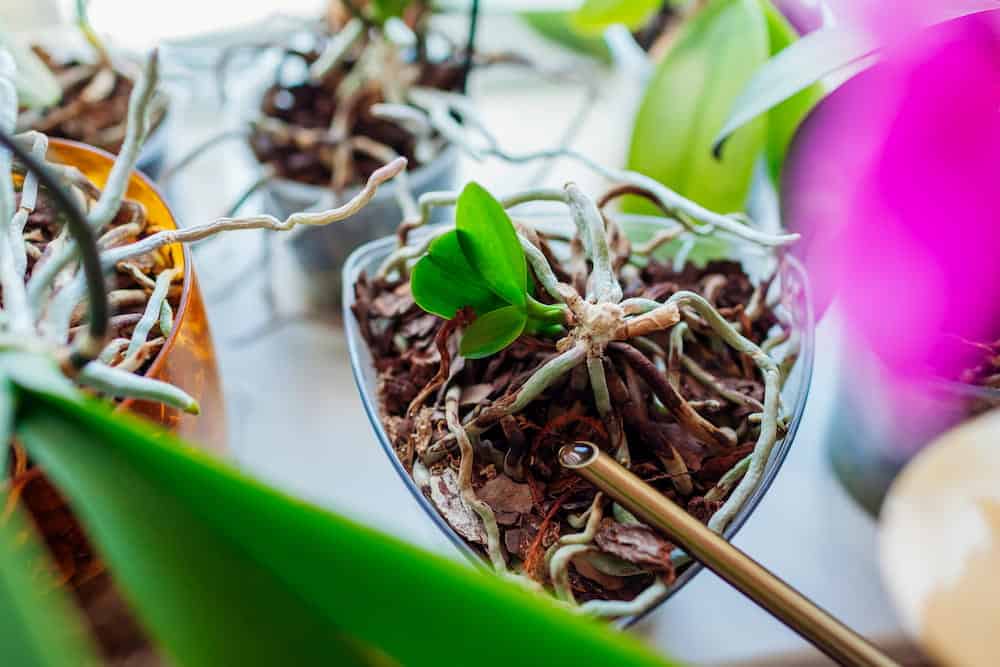
As with most things in life, it’s better to prevent the cause than cure the problem when it comes to orchid care. First, start with healthy plants from a reputable Thai orchid nursery – this gives you the best foundation for success. Then focus on creating the right environment:
- Proper light levels (bright but indirect)
- Good air movement (but no direct drafts)
- Consistent humidity (50-60% is ideal)
Establishing a regular inspection routine is also fundamental to proper orchid care. Orchids are delicate flowers that are susceptible to problems, but they are rewarding to grow. You’ll get as much out of it as you put in.
Finally, remember to trust your instincts too. If something doesn’t look right, it probably isn’t. Early intervention often prevents minor issues from becoming major problems, and it’s never a problem to ask an expert for help.
Explore Our Thai Orchid Collection
If wrinkled orchid leaves have you rethinking where your stock comes from, sourcing from a grower that controls conditions from propagation through shipping makes a measurable difference. Browse our Thai orchids collection to see current availability across Dendrobium, Cattleya, Vanda, and other genera.
BB Orchids: Your Trusted Partner for Orchids in Thailand
At BB Orchids, we don’t just simply grow orchids – we nurture them. Every plant that leaves our nursery has been carefully raised to ensure it has a strong root system, healthy leaves, and has the best possible chance for a successful start in its new home. We use advanced growing techniques like using tissue cultures in carefully controlled environments to produce orchids that are certain to thrive in their new homes.
Whether you’re a commercial grower looking to stock premium orchids or a distributor seeking a reliable orchid nursery in Thailand, we provide orchids that meet the highest standards to the end consumer. Contact BB Orchids today to explore our collection of premium orchids and discover how our expertise can support your business success.
Frequently Asked Questions About Wrinkled Orchid Leaves
Q: What causes orchid leaves to wrinkle?
A: Wrinkled orchid leaves are most often caused by dehydration, root rot, or low humidity. Check the potting medium first: if it’s dry, the plant likely needs water; if it’s wet and the leaves are still wrinkled, check the roots for rot.
Q: Can wrinkled orchid leaves recover?
A: Mildly dehydrated leaves usually plump back up within a few days once watering and roots are corrected. Leaves with severe, longstanding damage may not fully recover, though the plant itself can still grow new, healthy leaves going forward.
Q: Why are my orchid leaves soft and wrinkled?
A: Soft, wrinkled leaves usually mean water isn’t reaching the leaf tissue, either because the roots are dehydrated or because rotted roots can’t absorb water even when it’s present. Inspecting the roots is the fastest way to tell which is happening.
Q: How do I fix wrinkled orchid leaves at home?
A: Check the roots and potting medium first. For dehydration, soak the pot for 15 to 20 minutes and let it drain fully. For root rot, trim damaged roots and repot with fresh medium. If neither applies, raise humidity and rule out pests.
Q: Do wrinkled orchid leaves mean I’m overwatering or underwatering?
A: It can be either. Dry potting medium with wrinkled leaves usually means underwatering. Wet medium with wrinkled leaves usually means overwatering has caused root rot, which prevents the plant from absorbing water at all.
Q: What humidity do orchids need to avoid wrinkled leaves?
A: Most orchids do well in a 50 to 60% humidity range, though this varies somewhat by species. A humidity tray, small humidifier, or grouping plants together can help raise ambient humidity in drier indoor or nursery environments.
Q: When should I repot an orchid with wrinkled leaves?
A: Repot if the roots are brown, mushy, or hollow, or if the potting mix has broken down and no longer drains well. If the roots are firm and green and the medium looks fine, the issue is more likely dehydration or low humidity than a need to repot.