
Blog
Explore How to Care for Orchids in the Summer
Sep
Key Takeaways
- How often to water orchids in summer depends on your growing medium – bark-based mixes typically need watering every 3–5 days in hot weather, while mounted orchids may need daily attention.
- Morning watering is always best: it allows excess moisture to dry before nighttime, reducing the risk of rot and fungal disease.
- Maintain humidity between 50–70% using pebble trays, light misting, or grouping plants together.
- Protect orchids from direct afternoon sun with sheer curtains, shade cloth, or greenhouse netting.
- Keep crowns dry at all times – especially for Phalaenopsis, which are highly prone to crown rot.
- How to care for orchids in the summer comes down to three adjustments: increase watering frequency, boost humidity, and improve airflow.
- BB Orchids’ plants are propagated through orchid tissue culture in Thailand — a method that produces disease-free, genetically consistent plants that are better equipped to handle seasonal stress.
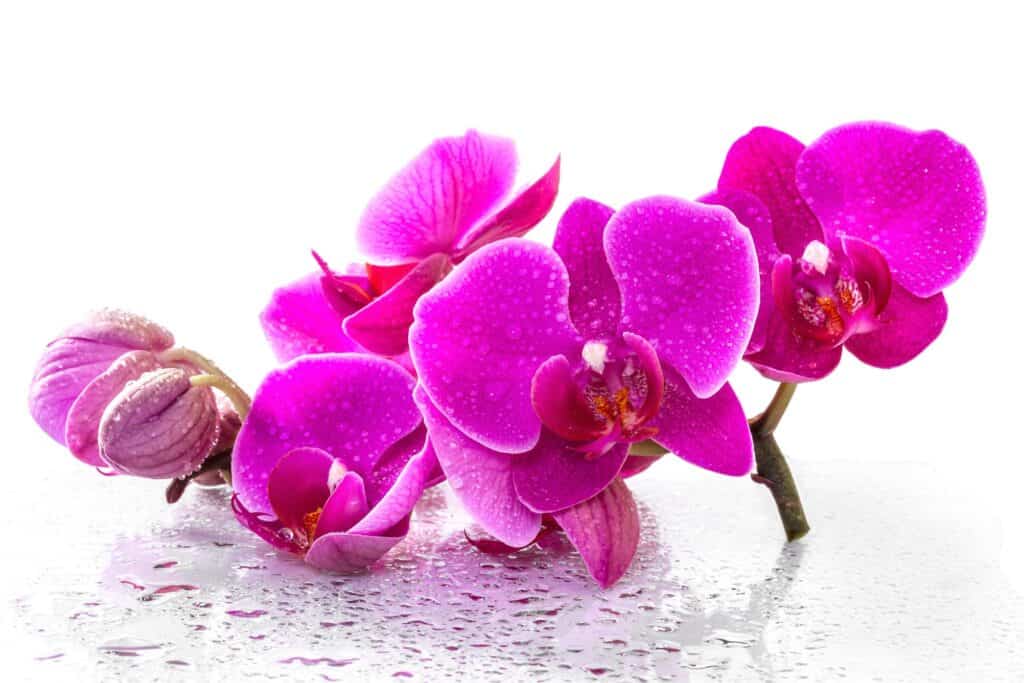
Renowned for their elegance and exotic beauty, as well as their resilience, orchids are robust, but even the toughest flowers may need a little extra care during the summer. As summer sets in with its intense heat, strong sunlight, and unpredictable humidity, these tropical plants require attentive care to flourish. Whether you are a hobbyist or a commercial grower, knowing how to care for orchids in the summer is important, especially for varieties such as Phalaenopsis, which are heat stress sensitive.
BB Orchids specializes in growing the finest quality orchids, exotic hybrids, and premium Phalaenopsis – produced in state-of-the-art facilities in Thailand. Although we are well known for wholesaling to nurseries and orchid breeders across the world, we also have a passion for guiding our buyers in nurturing their orchids at home or in the greenhouse.
Here’s a comprehensive guide to summer orchid care and watering tips to keep your plants healthy and vibrant all season.
Summer Orchids Care Basics
Orchids are temperature-sensitive plants; they need protection from harsh conditions and damage in summer. Some of the general care tips are:
- Give Them Enough Shade: Orchids need plenty of bright indirect light, but during the intense summer, it can burn their delicate leaves. Filter the light or diffuse sunlight for your orchids with sheer curtains or greenhouse netting or shade cloth.
- Boost Air Circulation: Stagnant, hot air can lead to fungal issues and heat stress. Good airflow is key, use oscillating fans or ensure windows are open in enclosed spaces to encourage ventilation.
- Enclosed Heat Areas: Orchids must not be positioned in corners where hot air tends to get confined such as windowsills or enclosed balconies. These spots must be kept cool always, especially at the height of the hottest period in the afternoons.
Watering Schedule in Summer
Understanding how often to water orchids in summer is one of the most important parts of seasonal care. With rising temperatures, watering needs to increase – but overwatering can be just as detrimental as underwatering.
- Water More Frequently: Orchids grown in bark or other loose media will dry out up to twice as fast in summer heat. As a general rule, most orchids will need watering every 3–5 days, but always check the medium before watering rather than sticking to a fixed schedule.
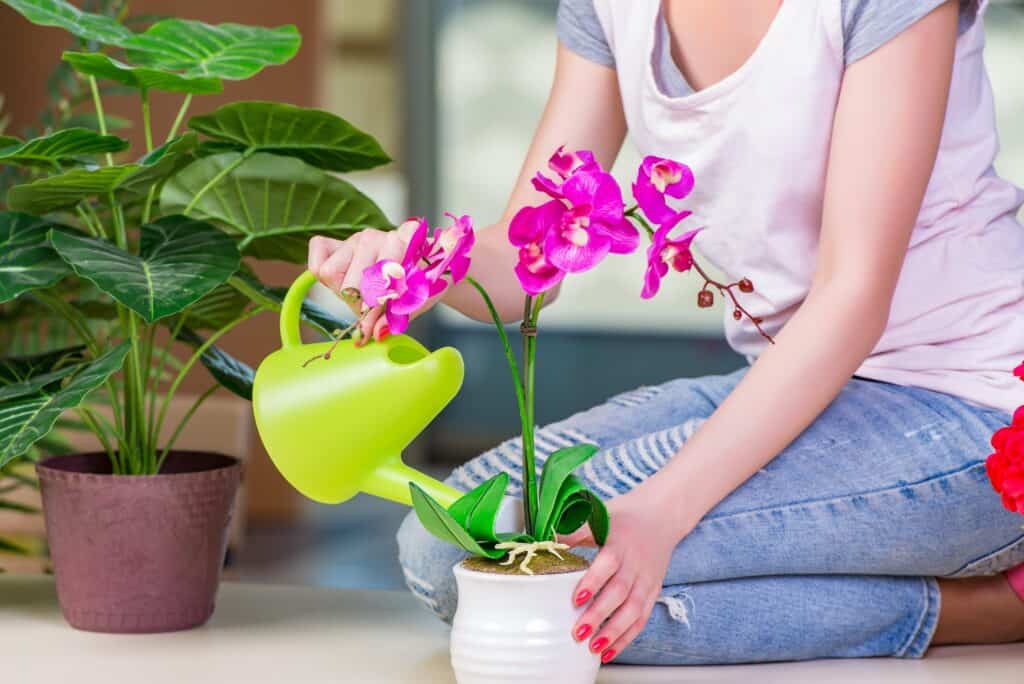
- Check Moisture Levels in the Morning: Check the medium once in the morning. If it feels dry, water it – in most cases, a single watering in 24 hours is enough for a complete moisture release through the pot’s drainage holes. Watering in the morning also allows any excess moisture on the crown or leaves to dry during the warmer daytime hours, minimizing the risk of fungal infection or rot.
- Keep Water Out of the Crown: For orchids like Phalaenopsis, water can collect in the crown (where the leaves meet), leading to rot. Always water carefully at the base and avoid pooling water at the center of the plant.
- Soaking Method: You can water your orchid by soaking its pot in a container of water for 10–15 minutes, then removing it and letting it drain thoroughly before returning it to its spot.
Humidity Tips
Part of knowing how to care for orchids in the summer is managing humidity. Orchids thrive best at 50–70% humidity – here’s how to maintain that range:
- Trays: Fill pebbles in a low tray and add water to just below the level of the pebbles. As water evaporates, it creates humidity without soaking the roots.
- Misting: Light misting in the morning helps boost humidity, especially in air-conditioned or dry interiors. Always mist early, never wet the crown directly, and avoid misting late in the day when moisture cannot dry before nightfall.
- Group Your Plants: When orchids grow together, they often create a little area with more humidity.
Spotlight: Caring for Phalaenopsis Orchids in Summer
Phalaenopsis orchids are popular for their relatively easy care, making them great for beginners as well as experienced growers. However, they do require some special attention in summer:
- Watch Your Crown: This variety is very prone to crown rot when plenty of water collects around the crown. Always ensure proper water drainage and do not leave any standing in the middle of the plant.
- Filtered Light is Essential: Orchids do not tolerate direct sunlight. Keep them in bright but shaded locations for best summer growth.
- Use Well-Draining Pots: Proper drainage is non-negotiable. Clear pots with drainage holes help monitor root health and prevent root rot.
To explore more varieties and learn about our phalaenopsis orchid farm, visit BB Orchids’ Phalaenopsis Collection.
Where to Find Healthy Orchids
Finding well-grown, healthy orchids is the first step to good summer care – especially if you’re growing commercially or plan to expand your nursery.
BB Orchids is Thailand’s leading orchid farm, supplying customers in Asia and across the globe. Our farms, operated under Pramote Orchid Farm (POF) in Nakhon Pathom and Samut Sakhon, have advanced facilities for mericlone production, seed culturing, and hybrid testing. Every plant we supply is propagated through orchid tissue culture in Thailand, ensuring each orchid is disease-free and genetically consistent from the start. We specialize in Dendrobiums, Cattleyas, and Phalaenopsis varieties, providing orchids at every stage from flask through blooming size.
Trusted by orchid breeders, wholesale nurseries, and businesses worldwide, we pride ourselves on:
- Premium, export-grade orchid plants
- Carefully selected and developed hybrids
- Customized support for small to large orders
- Friendly, responsive customer service
Explore our Orchid Care Blog page to support your growing journey.
Caring for orchids in the summer can seem challenging at first, but with the right adjustments to your watering, lighting, and humidity routine, your orchids can not only survive; they can thrive. Pay close attention to each plant, as individual orchid varieties have slightly different requirements. Check the roots regularly, ensure there is always good airflow, and never allow water to collect in the crown.
Whether you’re a hobbyist or a commercial grower, consistent access to high-quality orchid plants makes all the difference. That’s where BB Orchids come in. With nearly 30 years of experience and a commitment to excellence, we’re here to support you in all things orchid-related.
Contact us to place an order and we’ll back your business with premium orchid varieties and professional growing advice.
Frequently Asked Questions
Q: How often do I water orchids in summer, and how do I know if I’m overwatering?
A: During summer, how often to water orchids depends mainly on your growing medium and pot type. Bark-based mixes in terracotta pots dry out faster and may need watering every 3–4 days, while orchids in plastic pots with moss may only need water every 5–7 days. The most reliable method is the finger test: press your finger about an inch into the medium. If it feels dry, it’s time to water. Signs of overwatering include yellowing leaves, mushy roots, and a soggy medium that never fully dries out between waterings.
Q: What’s the best time of day to water orchids in summer?
A: Early morning is always the best time to water orchids during summer. Watering in the morning gives any excess moisture that lands on leaves or crowns time to evaporate throughout the day. Evening watering traps moisture overnight when temperatures drop, creating ideal conditions for fungal rot – especially in humid climates.
Q: How do I care for orchids in the summer if I live in an air-conditioned home?
A: Air conditioning removes humidity from the air, which can stress orchids adapted to tropical environments. If you’re focused on how to care for orchids in the summer in a climate-controlled home, prioritize humidity management. Use a pebble tray with water beneath the pot, group your orchids together, and avoid placing them directly under air conditioning vents. Light misting in the morning can also help compensate for the drier indoor air.
Q: Can I move my orchids outside in summer?
A: Yes, many orchids benefit from outdoor conditions in summer – the increased humidity, air movement, and natural light can actually promote healthier growth. However, always provide shade from direct afternoon sun, which can scorch leaves. A covered porch, shaded patio, or position under a tree with dappled light works well. Bring orchids back indoors if temperatures rise above 95°F (35°C) for extended periods, or if heavy rain is expected.
Q: Why are my orchid’s roots turning silver or white in summer?
A: Silver or white roots are a normal and healthy sign – they simply indicate that the roots are dry and actively seeking moisture. This is especially common in summer when orchids dry out more quickly. Green roots mean the roots are hydrated and have recently been watered. If roots are brown, mushy, or hollow, that signals root rot, which may be caused by overwatering, poor drainage, or water accumulating around the base of the plant.
Q: Does BB Orchids use tissue culture, and why does it matter for summer care?
A: Yes. BB Orchids uses orchid tissue culture in Thailand to propagate many of its varieties. Tissue culture produces genetically identical, disease-free plants that are typically more robust and stress-tolerant than seed-grown specimens. For buyers concerned about how to care for orchids in the summer, starting with a healthy, lab-propagated plant means fewer disease vulnerabilities and a stronger baseline for handling seasonal heat and humidity fluctuations.